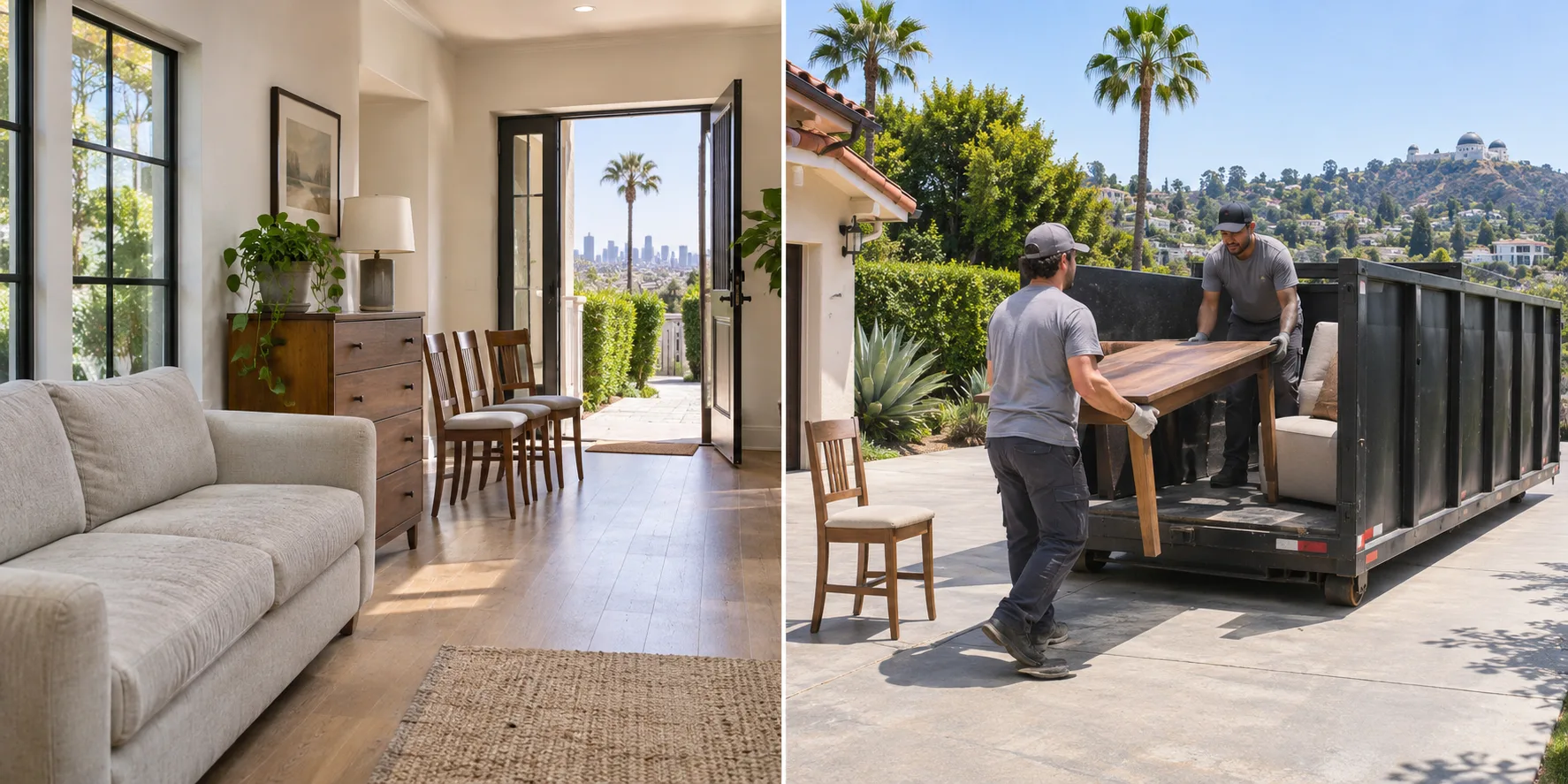
How to Describe a Furniture Load Before Choosing a Dumpster
Turn a room-by-room furniture list into useful container and access questions.
Plan the item list, the path through the property and the loading area before delivery.
Choose a furniture serviceItem count matters, but so do dimensions, stairs, elevator reservations, disassembly, gate width, driveway slope and the distance to the container. A useful call covers the whole route.
Seven services share one planning method. Choose the item group closest to your project.

A furniture-focused container plan for household and office projects.

Plan a contained load for furniture from bedrooms, living rooms and dining areas.

Coordinate desks, chairs, cabinets and workplace furniture around loading access.
Make room for bulky upholstered seating with measurements and a clear carry path.

Confirm acceptance, keep mattresses dry and plan the route from bedroom to container.
Organize multi-room furniture loads without creating an unmanaged curbside pile.
Sort worn furniture, reusable pieces and special-handling items before loading.
Room → route → container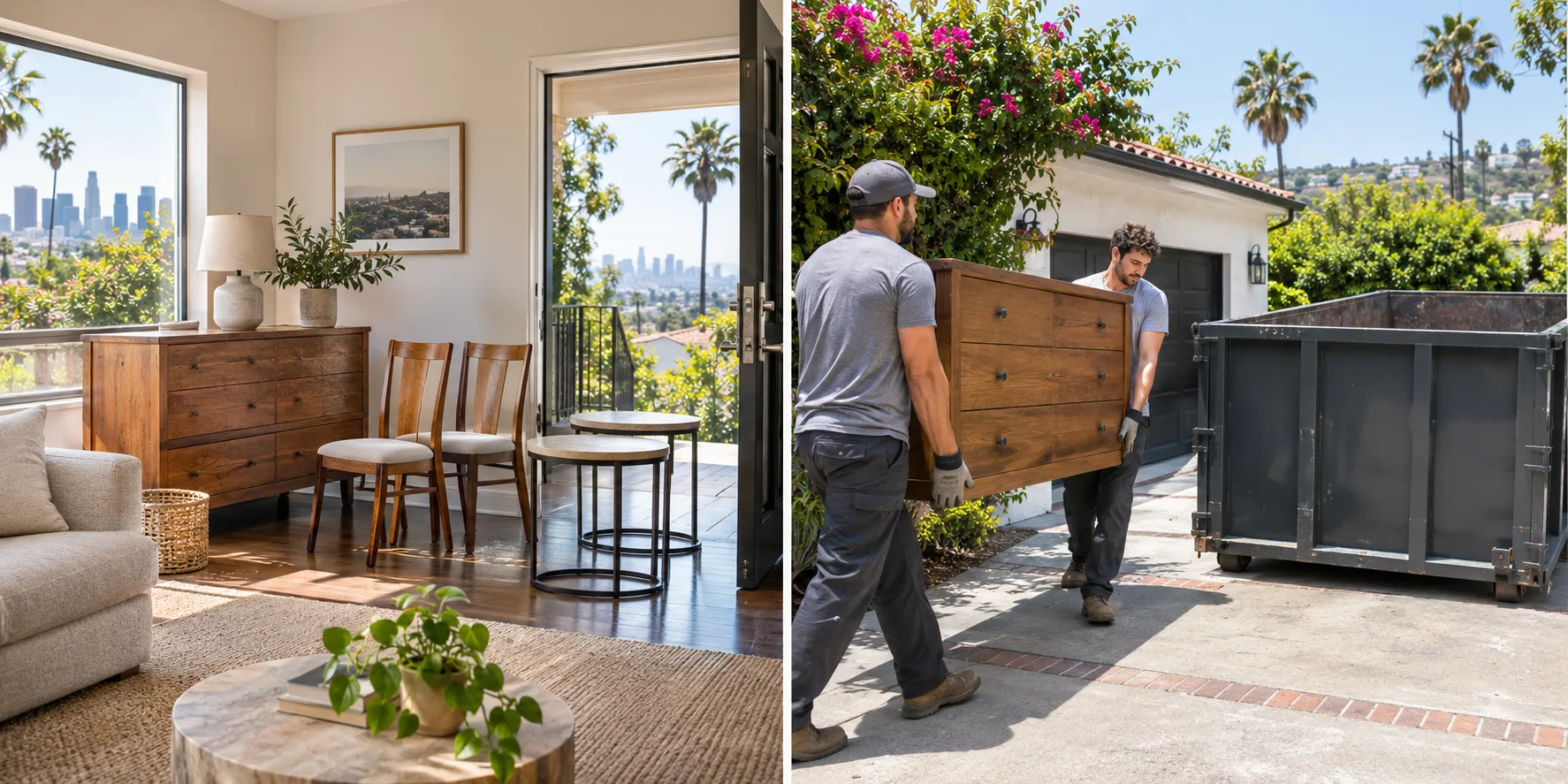
Distance does not prove service availability. Call to confirm the exact address, container placement and timing.
See all nearby areasTurn a room-by-room furniture list into useful container and access questions.
A practical checklist for dressers, tables, cabinets and mixed room furniture.
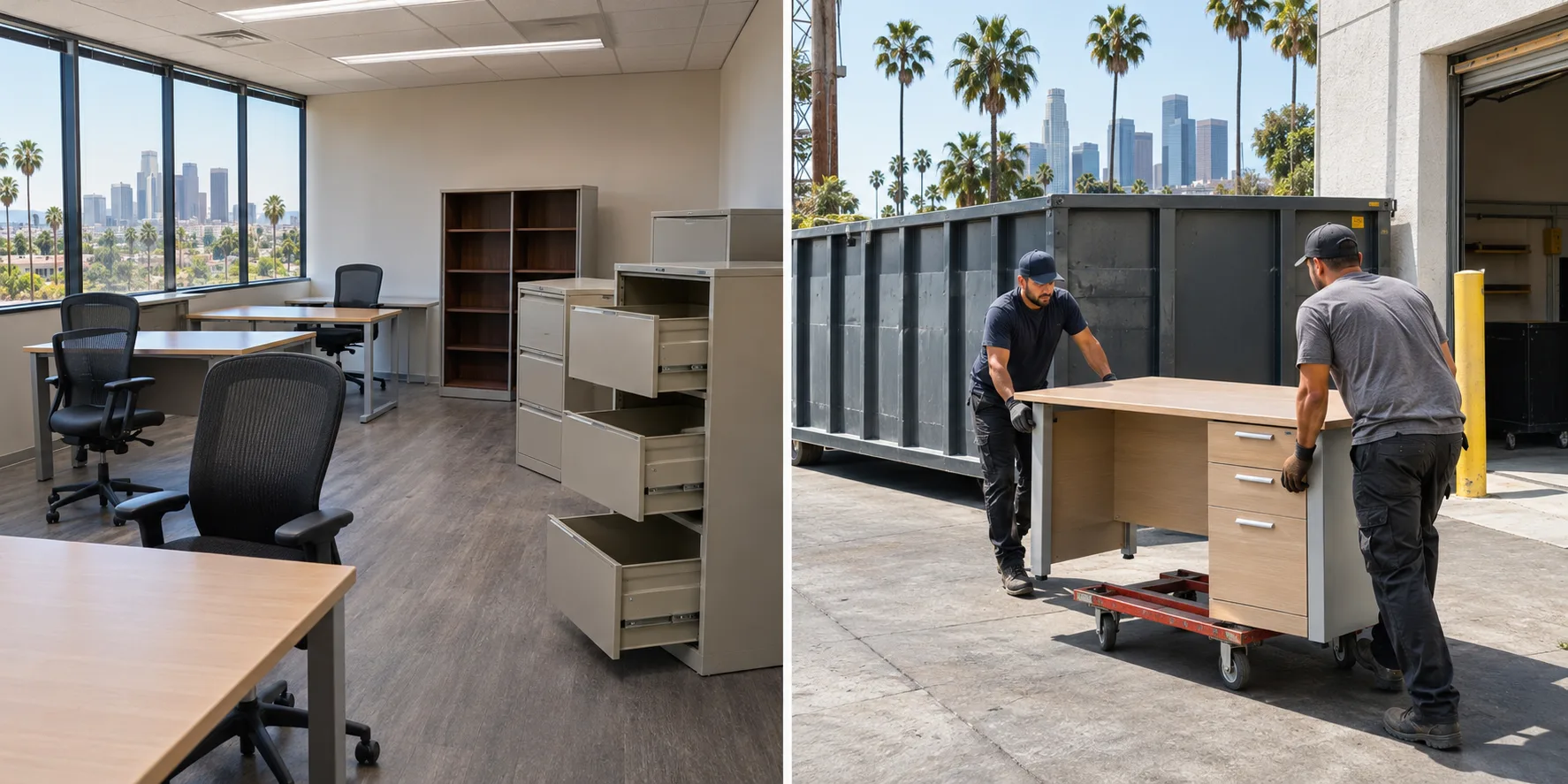
Count desks, chairs and cabinets while keeping records, electronics and access separate.
The supplied scope is a dumpster-rental service focused on furniture removal. Labor, loading and placement terms must be confirmed for the actual job.
Acceptance can depend on provider rules, condition and local handling requirements. State the item type and condition before loading.
Do not assume public right-of-way placement is allowed. Confirm private-property space or obtain the responsible authority’s permission.
Container size, rental period, delivery access, material type, weight, location and overage terms can all matter.
Call with item counts, approximate dimensions, stairs or elevator access, and the proposed container location.